About Instrument Ball Bearings
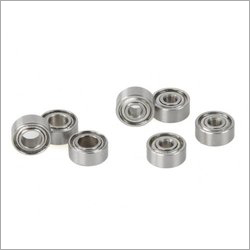
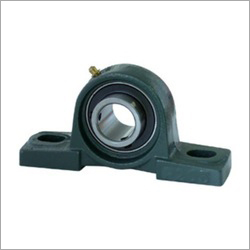
Our esteemed clients can avail extraordinary quality Instrument Ball Bearings. These bearings are widely used in automobile and mechanical industries for reducing axial force. Procured from our honest and quality oriented vendors, the offered bearings are manufactured by utilizing quality examined metal and advanced manufacturing techniques. Available in diversified shapes and sizes to meet the specific requirements of our customers, we assure that the provided Instrument Ball Bearings are quality examined on defined parameters.
Features:
-
Robust design
-
Flawless finish
-
Easy installation
-
Rust resistance
Engineered for Precision ApplicationsOur instrument ball bearings are meticulously engineered to meet the rigorous demands of precision medical devices, measuring instruments, and small motors. ABEC-3 rating ensures accurate motion control and unparalleled performance, making them perfect for sensitive applications requiring both consistency and longevity. Their compact size and lightweight build allow easy integration into intricate mechanical assemblies without adding bulk.
Robust Design and Reliable OperationConstructed from stainless steel with a high-quality polished finish, these bearings offer excellent corrosion resistanceessential for environments exposed to humidity or chemicals. The prelubricated grease ensures smooth running from -20C to +120C, while the steel cage and single-row structure maintain integrity under heavy loads and high speeds.
FAQs of Instrument Ball Bearings:
Q: How are these instrument ball bearings used in medical devices and measuring instruments?
A: These ball bearings are engineered for use in devices that require precise rotational movement with minimal noise, such as medical diagnostic tools and sensitive measuring equipment. Their ultra-low noise and vibration characteristics enhance device performance and accuracy.
Q: What is the benefit of the ABEC-3 precision grade?
A: The ABEC-3 grade ensures a higher level of precision compared to standard bearings, minimizing runout and enhancing performance in applications demanding exact alignment and reliability.
Q: Where can these bearings be installed?
A: They are suitable for any small-scale application like small motors, laboratory devices, and medical instruments, especially where high precision, corrosion resistance, and low operational noise are essential.
Q: What type of lubrication is used and what are its advantages?
A: Prelubricated with high-quality grease, these bearings operate smoothly across a broad temperature range, minimizing maintenance requirements and extending service life.
Q: When should open or shielded seal types be chosen?
A: Open types are recommended for environments where regular relubrication is feasible, while shielded bearings offer added protection against contamination, making them preferable in dusty or damp settings.
Q: What process ensures minimal vibration and ultra-low noise?
A: Stringent manufacturing and quality control proceduresincluding precision machining, polished surfaces, and optimal lubricationcontribute to minimal vibration and quiet operation.
Q: How does the polished stainless steel finish benefit usage?
A: The polished finish improves corrosion resistance, reduces friction, and assists in keeping contaminants away, ensuring lasting performance in critical and sensitive equipment.






 Send Inquiry
 Send Inquiry